

Does Hypochlorous Acid Help With Acne? An Honest Look
Written By: LUMION skin Editorial Team
The short answer: Hypochlorous acid isn't an acne treatment, but it can be a gentle, helpful addition to a routine for breakout-prone skin. It helps cleanse away surface bacteria, oil and impurities without stripping, soothes the look of redness and irritation and plays nicely with the other products you already use. Think of it as a supporting player, not a replacement for your acne treatment.
All of that said, here's an honest look at what hypochlorous acid can do, what it can't and how to use it for the best results.
What Is Hypochlorous Acid (HOCl)?
Hypochlorous acid is a molecule your body naturally makes as part of its built-in defense system. In skincare, a stabilized form is used in mists and serums as a gentle, no-rinse way to cleanse and refresh the skin.
What makes it stand out is how gentle it is. Unlike many products made for breakout-prone skin, HOCl doesn't strip, sting or leave skin feeling tight, which is why it has become a favorite for oily, reactive and sensitive skin types.
What Does the Research Say?
Hypochlorous acid isn't new. It has a long history in medical settings, where it's cleared by the FDA for cleansing wounds and skin, and dermatologists often recommend it for sensitive, easily irritated skin.
When it comes to acne specifically, the research is still emerging and large clinical studies haven't been done yet. That said, dermatologists say many people report their skin looks better while using it.
Is Hypochlorous Acid Spray Good for Acne-Prone Skin?
For many people, yes. A spray is one of the easiest ways to work HOCl into your day and it shines in the moments when breakout-prone skin needs a quick, gentle reset.
When to reach for an HOCl mist:
- After a workout, before you have time to wash your face
- After wearing a face mask, helmet or headphones for hours
- Midday, to refresh skin without disturbing your makeup (here's how)
- On your chest, back and shoulders, where a spray is easier than a serum
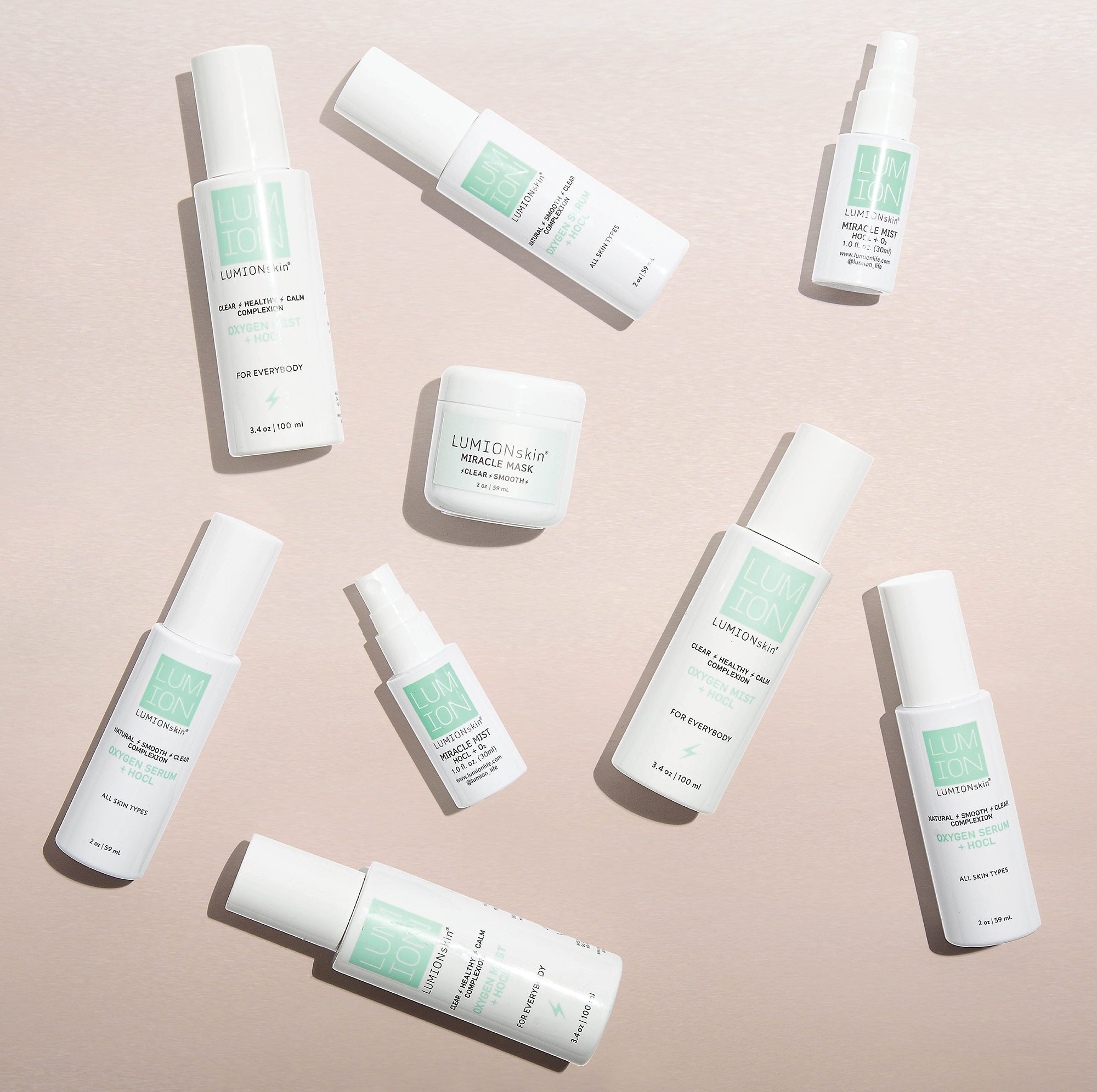
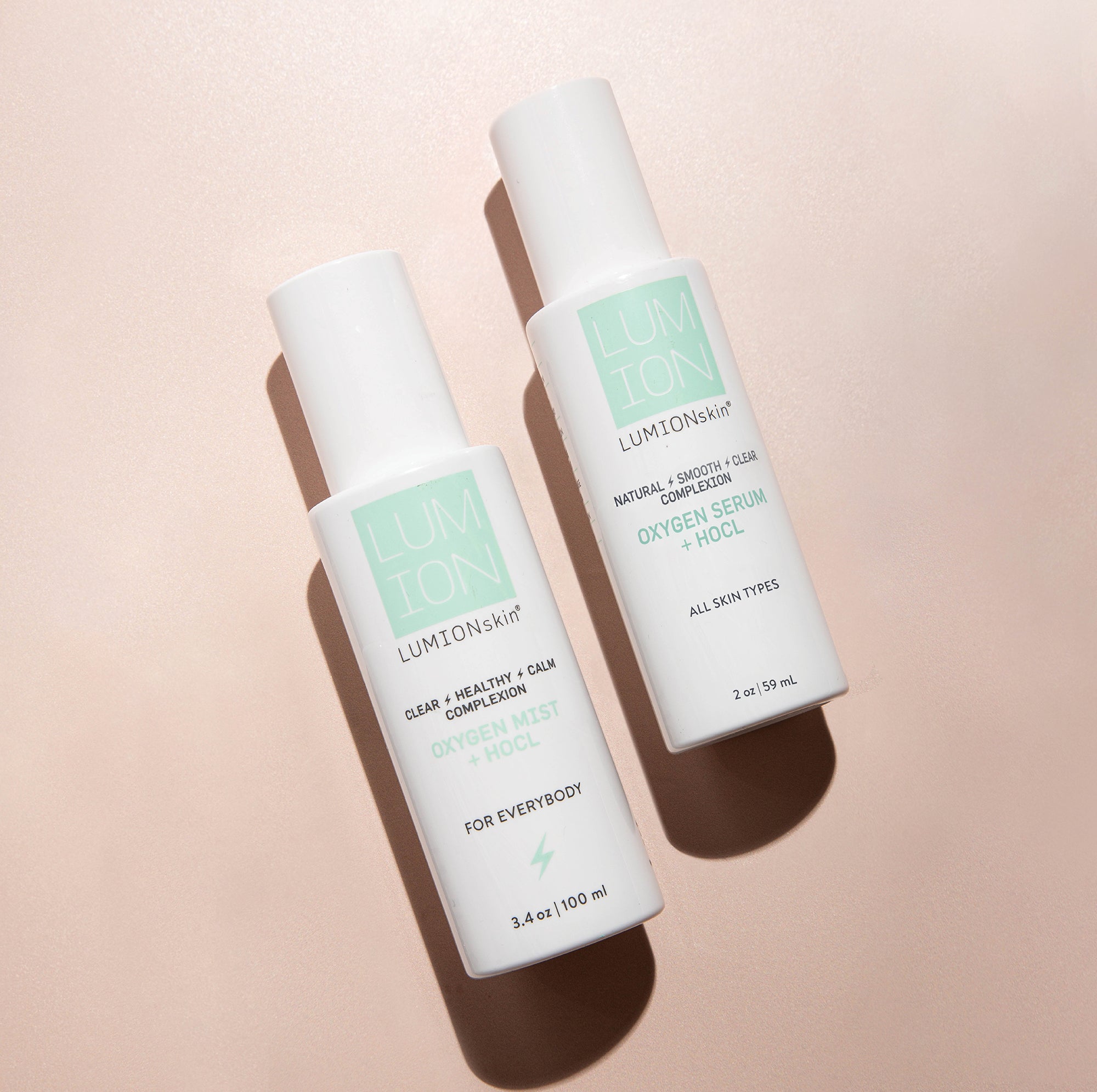
Spray or serum? A hypochlorous acid mist is ideal for on-the-go refreshing, while a hypochlorous acid serum gives you a leave-on layer for your morning and evening routine. Many people use both.

How to Use Hypochlorous Acid for Breakout-Prone Skin
- Cleanse with a gentle, non-stripping cleanser.
- Apply an HOCl serum to clean skin, morning and night.
- Let it absorb. There's no need to rinse.
- Moisturize with a lightweight, non-comedogenic moisturizer.
- Refresh with a hypochlorous acid mist throughout the day, especially after sweating or workouts.
Tip: New to HOCl? Patch test on a small area first, and give it a few weeks of consistent use before deciding how it works for you.
Already using other acne products? Because HOCl is so gentle, it's easy to add to an existing routine. For layering tips and how it compares to a classic acne ingredient, read Benzoyl Peroxide vs. Hypochlorous Acid: Which Is Better for Acne-Prone Skin?
Hypochlorous Acid for Body Breakouts
Breakouts don't stop at your face. Chest, back and shoulders can be just as prone to bumps, especially after workouts or long days in tight clothing. A mist makes it easy to cover hard-to-reach areas: spray after the gym or a sweaty commute, let it dry, then get dressed.
What to Look for in a Hypochlorous Acid Product
Not all HOCl products are created equal. Look for:
- A formula made for your face, not a household or wound-care product
- A shelf-stable formula. Some HOCL formulas lose potency after a few months. LUMION skin is stabilized for 18+ months.
- Packaging that protects the formula, since HOCl can lose strength when exposed to air and light
- A short, simple ingredient list without added fragrance or added fillers.
What Hypochlorous Acid Won't Do
We believe in being upfront. HOCl is a gentle, supportive step, but it isn't a substitute for acne treatment. It won't change your hormones or how much oil your skin produces.
If your breakouts are painful, deep, persistent or leaving scars, see a board-certified dermatologist. HOCl can still have a place in your routine as a soothing step alongside whatever they recommend.
Hypochlorous Acid and Breakout-Prone Skin: FAQs
Does hypochlorous acid help with acne?
Hypochlorous acid isn't an acne treatment, but many people with breakout-prone skin use it to help their complexion look calmer and clearer. It's gentle, non-stripping and easy to add to an existing routine.
Is hypochlorous acid spray good for acne-prone skin?
A hypochlorous acid spray is a convenient way to refresh breakout-prone skin on the go, especially after workouts, after wearing a mask or on body areas like your back and chest.
Can you use hypochlorous acid every day?
Yes. HOCl is gentle enough for daily use, morning and night.
Can hypochlorous acid make breakouts worse?
HOCl is gentle and non-stripping, but any new product can occasionally cause irritation. Patch test first, and stop use if you notice discomfort.
Does hypochlorous acid help with acne marks?
HOCl won't erase marks or scars, but by soothing the look of redness, it can help skin appear calmer and more even. For scarring, talk to a dermatologist.
Is hypochlorous acid OK for teens?
HOCl is gentle enough for most skin types, including teens. If your teen uses prescription acne products, check with their doctor before adding anything new.
How long does it take to see a difference?
Consistency matters most. Some people notice a difference in a few weeks, while others take longer. Results vary.


