

Can I Use Hypochlorous Acid With Retinol?
Let’s get right to it—the answer is YES, you can use hypochlorous acid with retinol. These two are actually one of the more compatible combinations in skincare, as long as you understand how each one works and how to layer them the right way.
But before you go slathering them on, read this: We’re explaining exactly what hypochlorous acid is, why it plays so nicely with retinol and exactly how to build a routine around both.
What Is Hypochlorous Acid, Really?
Hypochlorous acid (HOCl) is a molecule your own body already makes. When your white blood cells respond to a cut, a breakout or basically any kind of skin stress, they produce HOCl as part of the immune response. It's antimicrobial, anti-inflammatory and central to how your skin heals itself.
Hypochlorous acid for skin is essentially borrowing a page from your immune system's own playbook: it helps to calm redness, target breakout-causing bacteria and support the skin barrier, without the harshness of traditional skincare actives or alcohol-based toners.
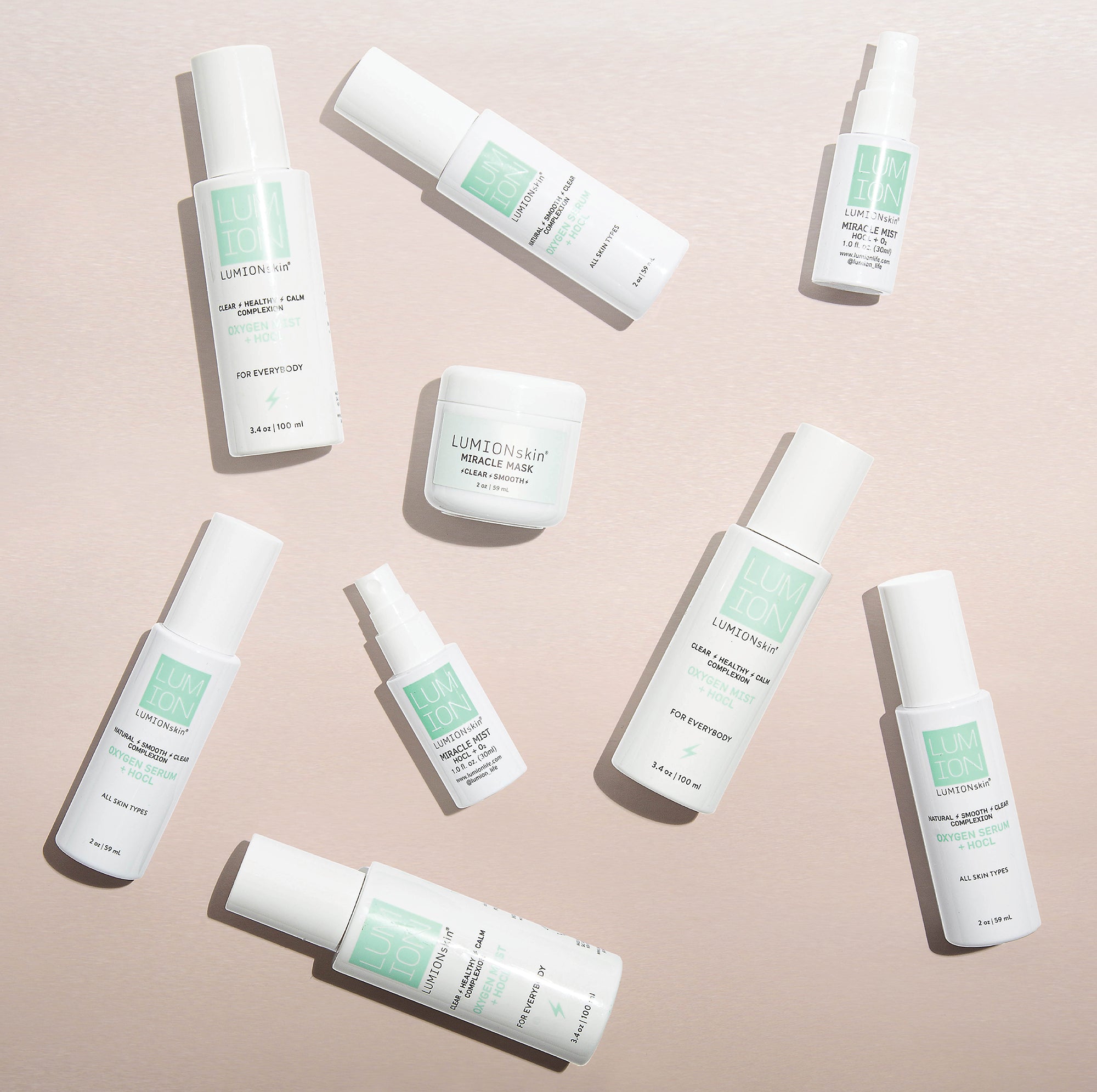
That's the whole idea behind LUMION skin. We didn't invent hypochlorous acid — we just figured out how to keep it stable and effective, so it actually works the way your body intended it to.
What Does Retinol Do?
Retinol, a derivative of vitamin A, is one of the most well-studied ingredients in skincare for a reason. It speeds up cell turnover, encourages collagen production and over time improves texture, tone and the look of fine lines. It's a genuine workhorse, but it's also known to cause redness, flaking, dryness and irritation, especially in the first few weeks of use.
That's precisely where hypochlorous acid is an excellent ingredient to pair with retinol.
So, Can You Use Them Together?
Yes — you can use hypochlorous acid with retinol because the two are considered complementary rather than conflicting. HOCl doesn't interfere with retinol's mechanism of action and it can actually help offset some of the irritation retinol is known for. Think of it less as layering the two actives and more as pairing a powerful renewal ingredient with a calming one that helps your skin tolerate it better.
Here's why the combination tends to work well:
-
HOCl calms what retinol stirs up. Redness, inflammation and micro-irritation from retinol are exactly the kind of thing hypochlorous acid is good at soothing.
-
It supports the skin's healing process. Retinol accelerates cell turnover, which can leave skin feeling more reactive, while HOCl helps the skin recover from that stress more comfortably.
-
It won't cancel out your retinol. Used correctly, hypochlorous acid doesn't neutralize or reduce retinol's effectiveness. It preps and calms the skin around it.
How to Pair Hypochlorous Acid and Retinol
The order matters. Here’s our simple (and dermatologist-tested) approach:
-
Cleanse your skin as usual.
-
Mist or apply hypochlorous acid and let it fully dry. This only takes a minute or so.
-
Apply your retinol to clean, dry, calm skin.
-
Follow with moisturizer to lock in hydration and buffer any potential dryness.
One rule worth remembering: don't mist HOCl over retinol once it's already applied. Apply it before, not after, so it doesn't disturb or dilute the retinol layer.
A Few Things to Keep in Mind
-
New to retinol? If you're just starting out, consider introducing it on its own for the first week or two before adding hypochlorous acid into the mix, simply so you can gauge how your skin responds to each ingredient independently.
-
Sensitive or reactive skin? Both ingredients, even though HOCl is gentle, can compound irritation if overused. Start slow — a few nights a week with retinol — and let hypochlorous acid do its calming work in between.
-
Timing flexibility. HOCl is gentle enough for both AM and PM use, so it fits naturally into your routine every day — not just on the nights you use retinol. Use it daily to keep skin clear, calm and balanced.
The Takeaway
Hypochlorous acid and retinol aren't just compatible, they’re a smarter pairing than most people realize. One renews, one calms; used in the right order, they let you get the results retinol is known for without feeling like a battle against your own skin.
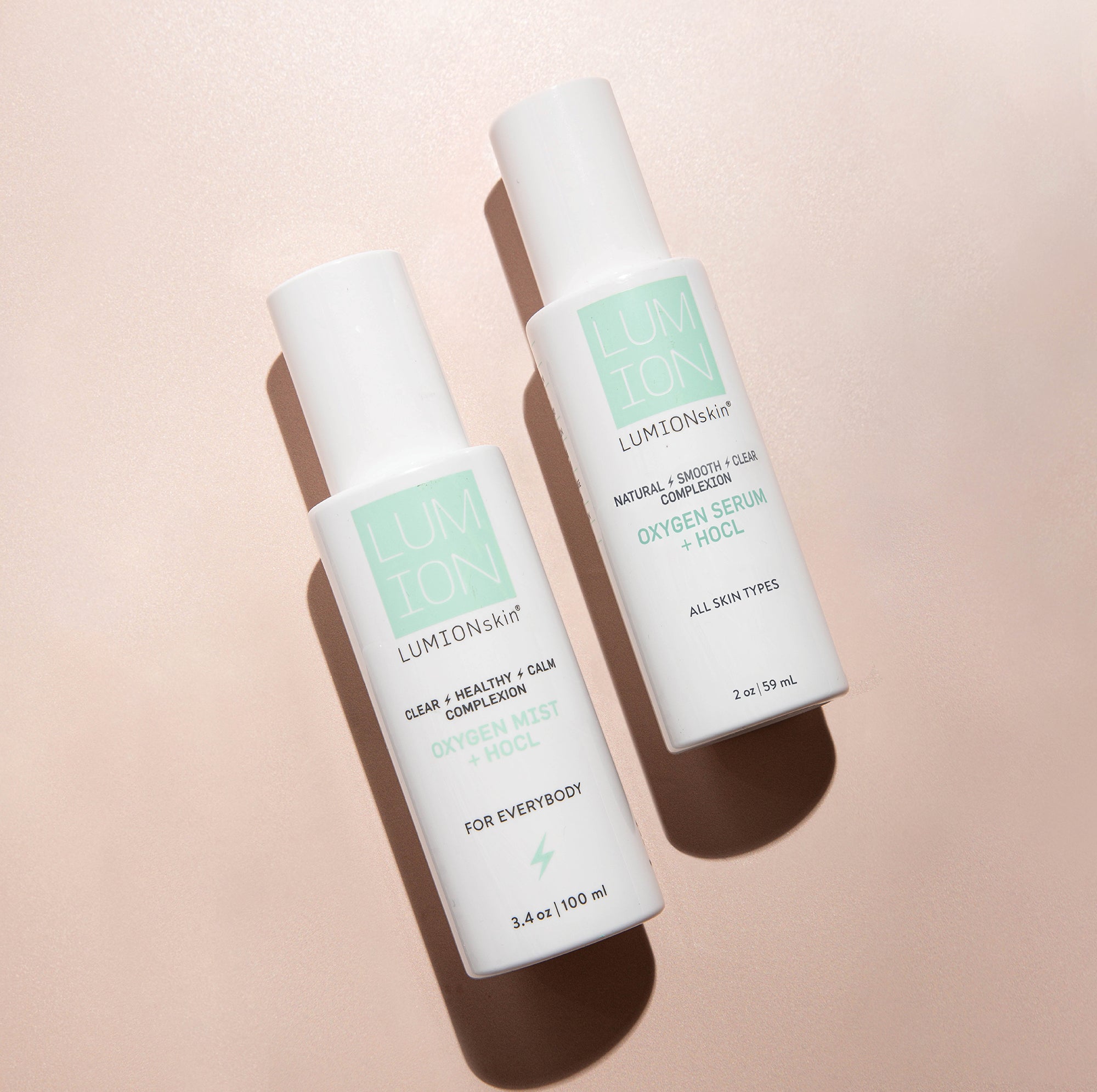
If you're building (or troubleshooting) your retinol routine, a highly stable, well-formulated HOCl mist like Miracle Mist or serum like Save My Skin Serum is one of the easiest additions you can make.
This post is for general skincare education and isn't a substitute for advice from a dermatologist, especially if you have a diagnosed skin condition or are using prescription-strength retinoids.


