

Can You Spray Hypochlorous Acid on Makeup Brushes?
Short answer: yes. A light mist of hypochlorous acid is an easy way to refresh your makeup brushes and sponges between washes. Think of it as the in-between step, not a total replacement for a real soap-and-water clean.
Washing brushes is the biggest beauty chore everyone means to do and almost no one does on schedule (we're totally guilty). So let's talk about what a quick spritz of hypochlorous acid can do for your tools, where it falls short and the simple routine that keeps your brushes as fresh as your skin.
Why Your Brushes Matter More Than You Think
Every time you use a makeup brush or sponge, it picks up more than makeup. Oil, sweat, dead skin and old product all build up in the bristles and then go right back onto your face with the next swipe.
That buildup can leave skin looking dull and congested and it's a common culprit behind breakouts that seem to come out of nowhere. If you're doing everything right with your skincare and still seeing blemishes along your cheeks or jawline, your brushes are worth a second look. (You can learn more about that in Does Hypochlorous Acid Help With Acne?)
Dirty tools also don't work as effectively. Caked bristles drag, streak and can make even great foundation look patchy.
What a Hypochlorous Acid Mist Can (and Can't) Do
|
A quick mist is great for |
It won't |
|---|---|
|
Freshening brushes and sponges between deep cleans |
Dissolve built-up foundation, concealer or cream products |
|
A fast refresh before you start your makeup |
Replace washing with a gentle cleanser and warm water |
|
Keeping your tools feeling fresh on hectic weeks |
Revive a sponge that's stained, torn or past its prime |
|
Travel days, when a full wash isn't happening |
Stand in for disinfecting tools |
Because hypochlorous acid is lightweight and water-like with no residue, it won't gunk up bristles or change how your brushes pick up product. That's what makes it such an easy, but temporary, way to quickly clean your beauty tools.
How to Mist Your Brushes
- Tap out loose powder. Give each brush a few taps on a tissue so you're not wetting leftover product.
- Hold it 6 to 8 inches away. Mist the bristles lightly on all sides. You want them damp, not dripping.
- For sponges, mist both sides. Squeeze gently and let it bounce back.
- Let everything air-dry. Lay brushes flat or bristles down so liquid doesn't run into the handle.
- Wait until they're fully dry to use. Usually just a few minutes for powder brushes, a little longer for dense foundation brushes and sponges.

Your Easy Weekly Brush Routine
A hypochlorous acid mist most works best as part of a quick clean, not in place a full one.
|
When |
What to do |
|---|---|
|
Between uses |
Light mist of Miracle Mist, then air-dry |
|
Once a week |
Wash brushes and sponges with a gentle cleanser and warm water, rinse well, and dry flat |
|
Every few months |
Swap out sponges, and replace any brushes that shed or have lost their shape |
Foundation, concealer and cream brushes need the weekly wash most, since liquid and cream products build up fastest. Powder brushes can sometimes stretch a little longer.
Makeup Brushes + Hypochlorous Acid: Your Questions, Answered
Will hypochlorous acid damage my brushes?
No. A light mist is gentle on both synthetic and natural bristles. Just keep the spray on the bristles and away from the base of the handle and let brushes dry before you use them.
Can I use it on beauty sponges?
Yes. Mist both sides, give it a gentle squeeze and let it air-dry. Sponges still need a proper wash at least once a week and replacing every few months.
Can I use it on other beauty tools?
It works the same way on tools like eyelash curlers, tweezers, gua sha stones and facial rollers. Mist, let dry, done.
Can I spray it on my face after misting my brushes?
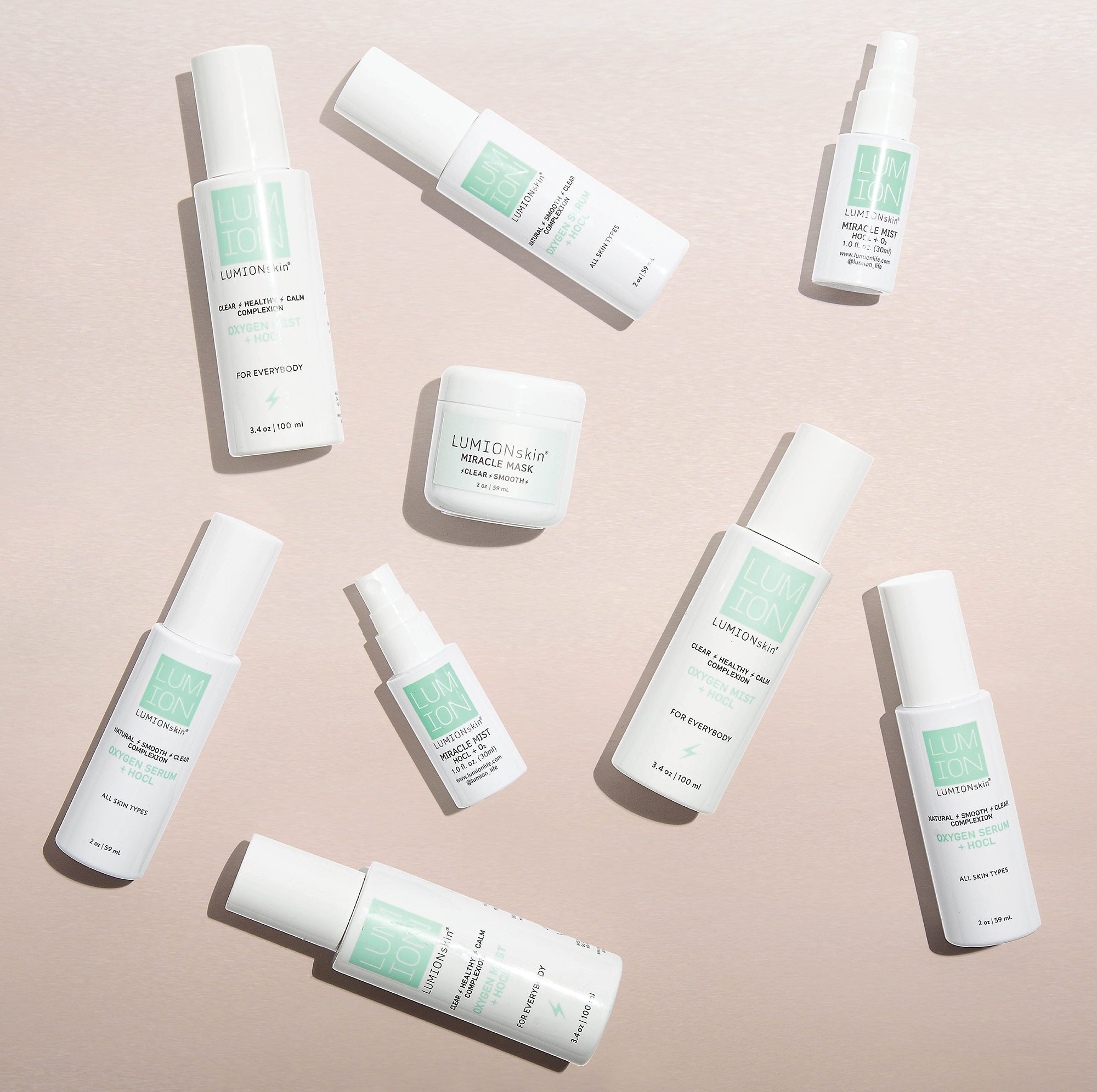
Absolutely. Miracle Mist was made for your face first. For tips on spraying over a finished look, see Can I Spray Hypochlorous Acid After Makeup?.
The Bottom Line
Clean skin deserves clean tools. A quick mist of Miracle Mist keeps your brushes and sponges fresh between washes, and a weekly wash handles the rest. Spray your tools, spray your face, and get on with your day.


