

Hypochlorous Acid After Microneedling, Laser or a Peel: What You Need to Know
You've just invested in your skin. Whether it was microneedling, a chemical peel, laser treatment or an injectable — your skin is now in recovery mode. It's sensitized, potentially red and more vulnerable than usual. The last thing you want is to disrupt that healing process with the wrong product.
That's where hypochlorous acid (HOCl) comes in.
Why post-procedure skin needs something different
After any skin treatment, your skin barrier is temporarily compromised and the usual rules don't apply. Products that are totally fine on healthy skin — certain toners, actives, even some cleansers — can sting, irritate or set back your recovery when used too soon after a procedure.
What your skin actually needs in those first days is simple: something gentle, clean and skin-compatible that keeps things looking calm while your skin does its thing.
HOCl checks every one of those boxes — which is exactly why it has such a long history in professional skincare settings.
What is hypochlorous acid?
Hypochlorous acid is a molecule your body already produces naturally. Your white blood cells make it as part of your immune system's response — it's one of the ways your body keeps things clean and balanced at a cellular level.
That's what makes stabilized HOCl so interesting in skincare: it's not a foreign ingredient. It's a skin-compatible molecule working in harmony with what your skin already does.
In professional and clinical settings, HOCl has been used for decades as a gentle rinse to help keep skin around wounds and post-procedure sites clean. Its non-toxic, alcohol-free profile makes it suitable even for the most sensitized skin — the kind you have right after a peel or laser treatment.
Hypochlorous Acid After Microneedling
Microneedling creates thousands of tiny micro-channels in the skin to stimulate collagen production. In the 24–48 hours after a session, skin is visibly red, more permeable and more sensitive than usual — meaning what you put on it matters more than ever.
This is exactly the moment to keep things minimal and gentle. HOCl is especially well suited here because it's non-toxic, alcohol-free and completely free of the actives that could irritate newly treated, more-permeable skin.
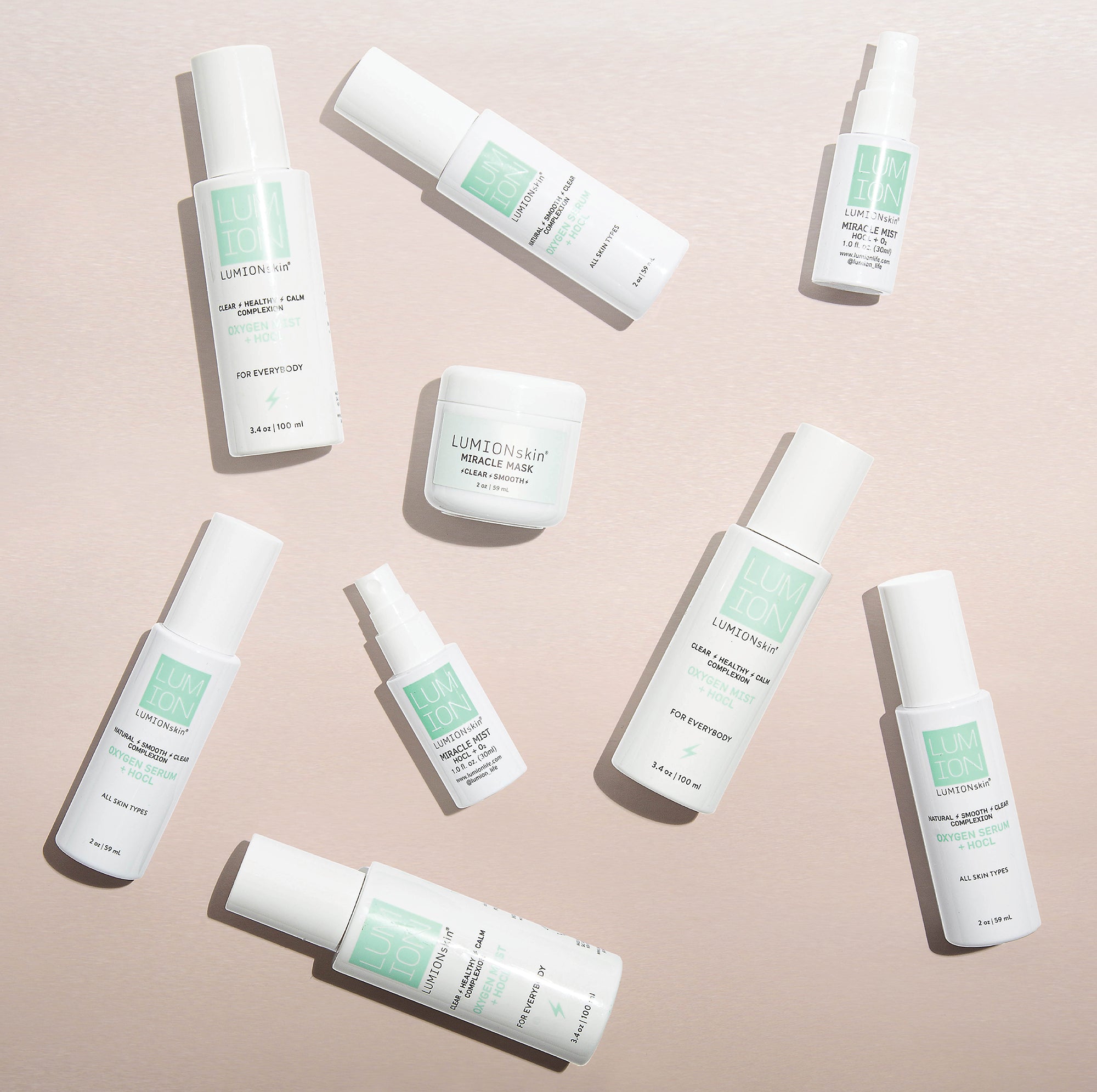
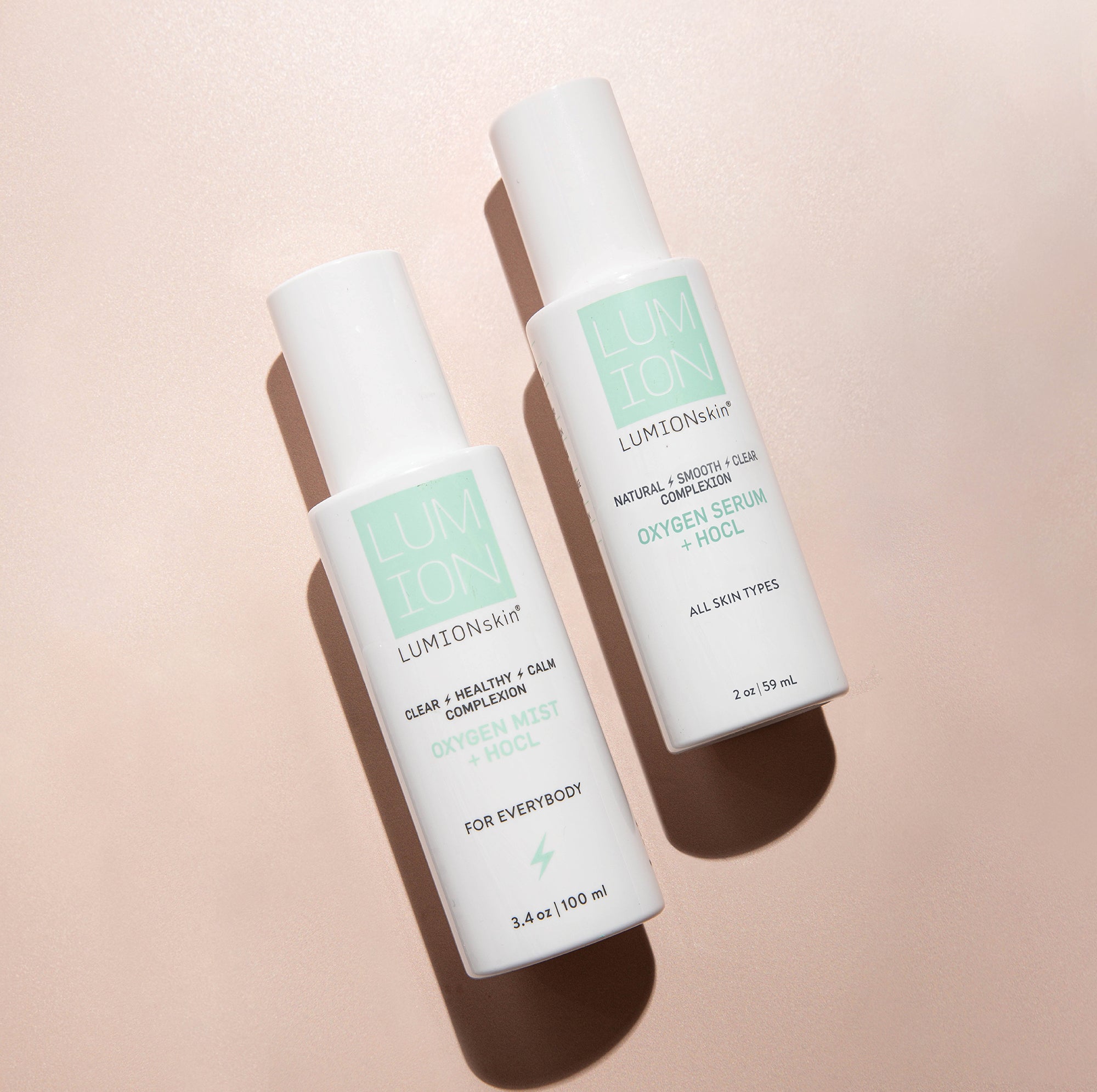
How HOCl helps: In the hours and days right after microneedling, a gentle mist of hypochlorous acid can help skin look and feel calmer, cleaner and less visibly red — without introducing anything that could overwhelm skin while those micro-channels are still open. LUMION skin's Miracle Mist is formulated with stabilized HOCl and is free of alcohol, fragrance, parabens and dye, making it one of the gentlest options to reach for post-microneedling. Mist it on liberally throughout the day as needed.
NOTE: Many people use hypochlorous acid the same day as their microneedling session, but protocols vary by provider — always check with whoever performed your treatment about what's appropriate for your specific aftercare plan.
Hypochlorous Acid After a Chemical Peel
Chemical peels work by accelerating cell turnover, removing the outermost layer of skin to reveal fresher, brighter skin underneath. The result is skin that looks more even and radiant, but in the short term, it's temporarily sensitized and needs careful handling.
After a peel, many people reach for heavy creams or skip their routine entirely because everything feels too harsh. Hypochlorous acid after a chemical peel offers a middle ground: it's light, non-occlusive and alcohol-free, so it won't feel overwhelming on freshly treated skin.
How HOCl helps: In the days following a chemical peel, a gentle HOCl mist can help skin look and feel calmer and less visibly red. Mist it on liberally — you can't overuse it.
NOTE: Always follow your provider's specific post-peel instructions. If they've recommended avoiding all products for a set period, follow their guidance first.
Hypochlorous Acid After Laser Resurfacing
Laser treatments cover a wide range of procedures and how your skin responds — and what it needs afterward — depends on which one you had.
Laser resurfacing (from gentle lunchtime lasers to more intensive resurfacing procedures) can leave skin looking red and feeling tight and sensitized for days afterward. The skin is essentially in an accelerated recovery state and anything harsh can prolong that.
How HOCl helps: Its gentle, skin-compatible profile makes it a popular choice among estheticians and dermatologists for post-laser skin routines, since it won't sting on freshly lasered skin the way many traditional toners or mists might. After the initial recovery period, layering in a lightweight HOCl serum can help skin look more balanced and even as it settles. LUMION skin's Save My Skin Serum absorbs instantly without any greasiness — ideal for skin that's still recalibrating after treatment.
Laser hair removal is a different kind of treatment. It targets hair follicles rather than resurfacing the skin's surface, but it can still leave the treated area looking flushed, slightly swollen or prone to small bumps in the hours afterward.
How HOCl helps: A gentle mist right after your appointment can help calm visible redness and support the area as it settles, while its antimicrobial properties help lower the risk of post-treatment breakouts around treated follicles — a common concern after laser hair removal.
NOTE: Protocols vary by provider and treatment type — always confirm with whoever performed your laser treatment about what's appropriate for your specific aftercare.
Hypochlorous Acid after Botox and Injectables
Many people ask about using hypochlorous acid after Botox or filler and for good reason. After Botox, filler or other injectables, the skin at injection sites can look slightly red or feel tender. While the skin isn't compromised in the same way as after a peel or laser, keeping the area clean and calm in the hours afterward is still a priority.
How HOCl helps: A gentle HOCl mist is a popular post-injectable option in many practices because it's so non-reactive. It refreshes and helps the surface of skin look calm without any ingredients that could interact with the treatment area.
NOTE: Avoid pressing, rubbing or massaging the treated area while applying — a light mist is all that's needed. As with any procedure, always follow your provider's specific aftercare instructions.
Why Hypochlorous Acid stability matters — especially post-procedure
Of course, none of this works if the HOCl in your bottle isn't actually active anymore. One thing worth knowing: not all HOCl products are created equal. HOCl is naturally unstable and can lose its effectiveness quickly if not properly formulated. Many HOCl products on the market degrade within weeks of opening.
LUMION skin uses a proprietary stabilization process that keeps HOCl active and potent for up to 18 months — so the bottle you're reaching for on day three of your recovery is just as effective as the day you opened it. That consistency matters most when your skin needs reliable, gentle support.
The bottom line
Post-procedure skin deserves ingredients that work with it, not against it. Hypochlorous acid's long history in professional settings — combined with its gentle, skin-compatible profile — makes it one of the most sensible choices for anyone navigating recovery after a peel, laser, or other treatment.
If you're curious whether HOCl is right for your post-procedure routine, explore the full LUMION skin collection or check out the FAOs below for more.
Note: This post is for informational purposes only and is not a substitute for advice from your dermatologist or skincare provider. Always follow your provider's specific post-procedure instructions.
Hypochlorous Acid After Cosmetic Procedures: FAQs
Can you use hypochlorous acid after microneedling?
Yes. Hypochlorous acid is gentle and antimicrobial, making it one of the best things to mist on freshly microneedled skin to keep it clean and calm while it heals.
How soon after a chemical peel can you use hypochlorous acid?
You can typically use it right away. Because it's pH-balanced and non-irritating, it helps soothe and protect the skin barrier during the sensitive post-peel window. Always follow your provider's specific aftercare instructions.
Can you use hypochlorous acid after laser treatment?
Yes. A light mist of hypochlorous acid helps keep lasered skin clean and lowers the risk of post-procedure breakouts, without the sting of harsher products.
Does hypochlorous acid help skin heal after a procedure?
It supports healing by reducing surface bacteria and calming redness and inflammation, creating a cleaner environment for skin to recover. It's a gentle complement to your provider's aftercare, not a replacement for it.
What should you avoid putting on skin right after a procedure?
Skip active ingredients like retinol, strong acids (AHAs and BHAs), and benzoyl peroxide until your skin has recovered. Stick to gentle, soothing products like hypochlorous acid.


