

Benzoyl Peroxide vs. Hypochlorous Acid: Which One Is Better for Acne-Prone Skin
If you have breakout-prone or acne-prone skin, you've probably had a long and complicated relationship with benzoyl peroxide. It definitely works — nobody's arguing that — but it also bleaches your pillowcases, dries out your skin (sometimes to the point of flaking) and can make your face appear red and irritated at the same time it's trying to clear it up.
So when hypochlorous acid started showing up everywhere — on derm TikTok, IG skincare reels and in aesthetician treatment rooms, you probably had questions.
Is it actually as good as benzoyl peroxide for breakout and acne prone skin? Can you use both? And what's the real difference between them?
We're answering it all here, honestly.
First, a quick refresher on what's actually causing your breakouts
Before we get into the ingredients, it helps to understand what's actually happening when a breakout forms. There’s a bacteria called Cutibacterium acnes (formerly known as P. acnes)and when it multiplies inside a clogged pore, your immune system responds with inflammation creating a red, swollen, angry bump – aka, a pimple.
Both benzoyl peroxide and hypochlorous acid target that bacteria. They just go about it very differently.
How benzoyl peroxide works
Benzoyl peroxide has been the gold standard for acne treatment for decades — and for good reason. It works by releasing oxygen into the pore, which targets the acne-causing bacteria. It also helps unclog pores and reduce excess oil production.
The problem is that benzoyl peroxide is a powerful oxidizing agent, which means it does the job, but it also does some collateral damage along the way.
The downsides most people know too well:
-
Dryness and peeling, especially in the first few weeks
-
Redness and irritation, particularly for sensitive skin
-
Bleaching — clothes, towels, pillowcases, anything it touches
-
Can disrupt the skin microbiome over time with long-term use
-
Photosensitivity — you need to be careful about sun exposure
For a lot of people with acne-prone skin, benzoyl peroxide is a trade-off. Yes, it clears breakouts. But it also strips the skin barrier in the process, which can actually trigger more breakouts down the line. Dry, compromised skin is reactive skin.
How hypochlorous acid works
Hypochlorous acid (HOCl) takes a completely different approach.
HOCl is a molecule your own immune system produces naturally. When your body detects a threat — bacteria, inflammation, a wound — your white blood cells produce hypochlorous acid as part of the healing response. It's bioidentical, meaning it's structurally identical to something your skin already knows.
When you apply it topically, it targets the same bacteria as benzoyl peroxide, but because your skin recognizes HOCl as something it produces itself, it doesn't respond with the same irritation, dryness or barrier disruption.
What HOCl does for the skin:
-
Helps neutralize C. acnes bacteria without disrupting the skin microbiome
-
Reduces visibly redness associated with breakouts
-
Supports the skin barrier rather than compromising it
-
Helps calm the skin around existing breakouts while helping prevent new ones
-
Works morning and night without any adjustment period–-no photosensitivity
The other big difference? Benzoyl peroxide is a treatment — something you apply to active breakouts and then manage the side effects around. Hypochlorous acid is more of a daily foundation — something you use consistently to keep the environment of your skin clear, calm, and less hospitable to breakouts in the first place.
So which one is better for problem skin?
It depends on your skin — and what you're dealing with.
If your skin is sensitive, reactive, or easily irritated: Hypochlorous acid is almost certainly the better starting point. It targets breakouts without the dryness, peeling or redness that often comes with using benzoyl peroxide.
If you have persistent, stubborn acne that hasn't responded to gentler treatments: Benzoyl peroxide still has a place. It's one of the most clinically studied treatments available and for certain skin types, it's genuinely effective. Your dermatologist is the right person to guide you here.
If you're somewhere in the middle — occasional breakouts, combination skin, skin that's acne-prone but also sensitive: This is where hypochlorous acid really shines. It's effective enough to address visible breakouts but gentle enough to use every single day without the trade-offs.
Can you use benzoyl peroxide and hypochlorous acid together?
Yes — and for some people, this combination actually makes a lot of sense.
Here's the logic: benzoyl peroxide can be harsh on the skin barrier. Hypochlorous acid supports and helps calm the skin barrier. Used together thoughtfully, HOCl can help offset some of the irritation and dryness that comes with a benzoyl peroxide routine.
How to layer them if you want to use both:
Use Miracle Mist first on clean skin. Let it absorb — it only takes a few seconds. Then apply your benzoyl peroxide treatment to the areas where you need it. The hypochlorous acid creates a calmer base for the benzoyl peroxide to work from and using it again after (once the benzoyl peroxide has been absorbed) can help soothe any immediate redness or irritation.
A few things to keep in mind:
-
Don't apply them at the exact same time — let each one absorb before layering
-
Start slowly if you're new to either ingredient
-
If you're using a high-concentration benzoyl peroxide (5% or above), be extra attentive to how your skin responds
-
When in doubt, ask your dermatologist — especially if you're managing more severe skin issues
The Final Word
Benzoyl peroxide works. Hypochlorous acid works. They work differently, for different skin types, in different situations.
If you've been frustrated with benzoyl peroxide — the dryness, the sensitivity, the bleached pillowcases — hypochlorous acid is a great alternative. It targets the same root cause of breakouts (the bacteria) without the barrier damage. And because your skin already recognizes it, there's no major adjustment period.
If you're already using benzoyl peroxide and it's working for you, adding hypochlorous acid into your routine can actually make it work better — by keeping your skin barrier healthier and reducing the irritation that often comes with long-term benzoyl peroxide use.
Either way, the goal is the same: clearer, calmer skin. HOCl just gets you there with a lot less collateral damage.
Ready to try hypochlorous acid for breakouts?
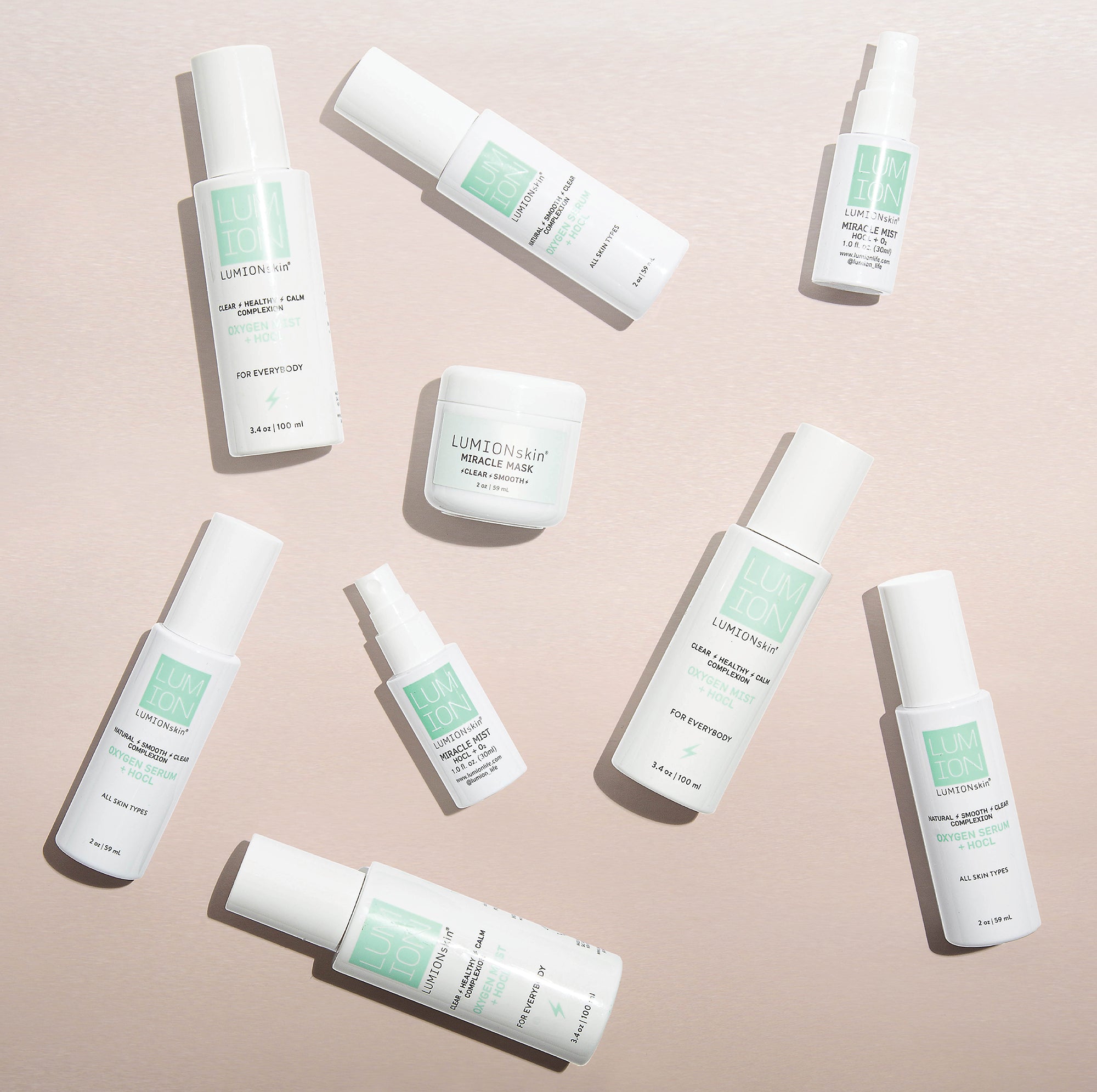
Miracle Mist is the original hypochlorous acid face spray. Spray it morning and night on clean skin, before anything else in your routine.
New to hypochlorous acid entirely? Start with our complete guide to hypochlorous acid — it covers everything from how it works to why stability matters.
Already using treatments like chemical peels? Read how to use hypochlorous acid after a chemical peel to get the most out of both.
This blog is for informational purposes only and is not a substitute for professional medical advice. If you're managing severe or cystic acne, please consult a board-certified dermatologist.


